

The manufacturing industry is rapidly evolving with automation, robotics, and smart technologies. To keep pace, companies are turning to VR development to modernize workforce training. Traditional methods often fall short in preparing workers for complex, high-risk environments, whereas immersive solutions delivered by a skilled VR development company enable hands-on learning without real-world consequences.
Why Traditional Training Falls Short
Manufacturing training has long relied on manuals, classroom sessions, and on-the-job shadowing. While effective to an extent, these approaches come with limitations:
- Limited hands-on exposure
- High risk during real-time equipment training
- Inconsistent training outcomes
- Increased downtime and operational costs
This is where VR development bridges the gap by creating realistic, repeatable, and safe training environments.
How VR Development is Transforming Manufacturing Training
1. Immersive Hands-On Learning
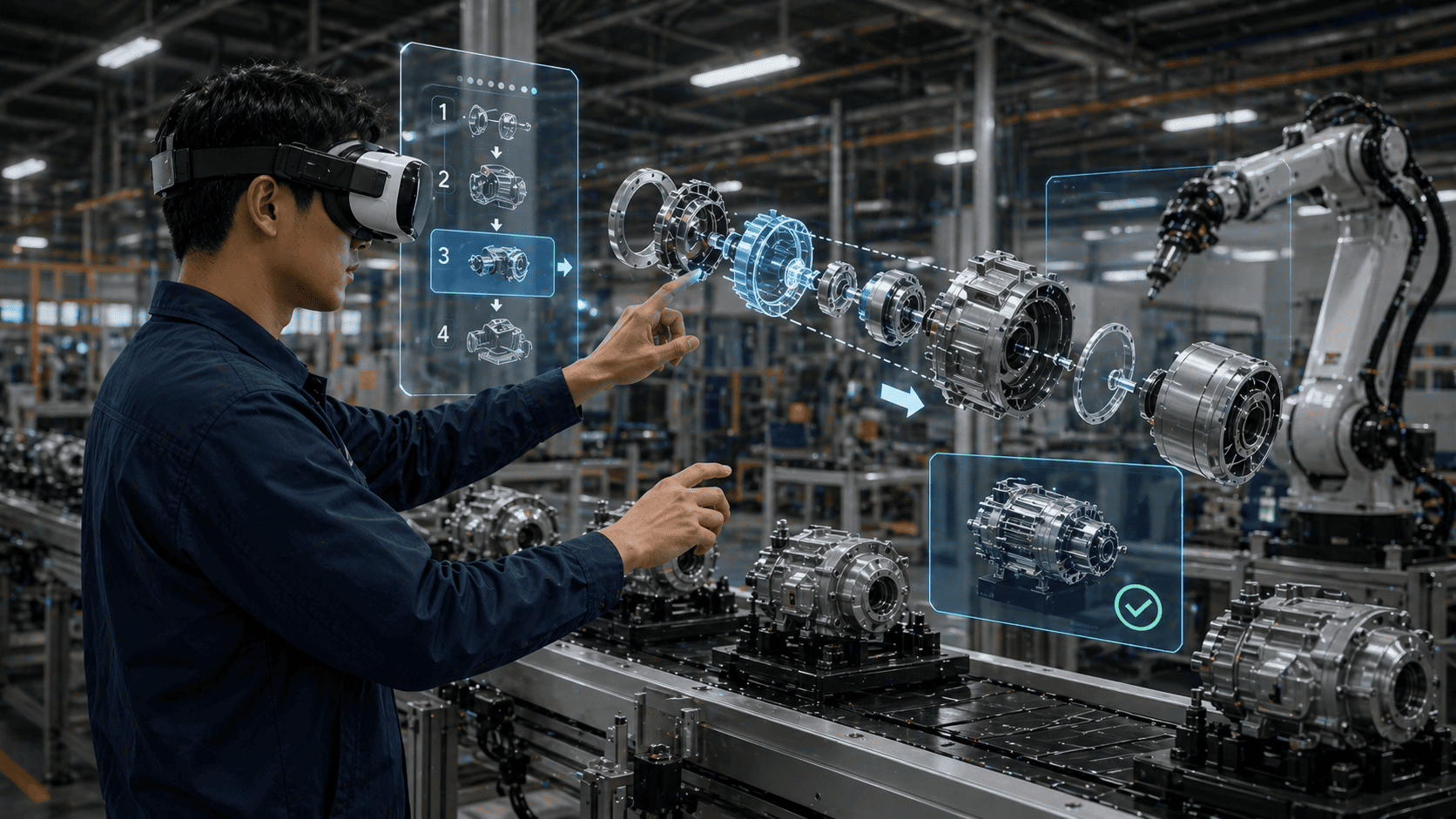
With VR development, workers can interact with machinery, tools, and processes in a virtual environment. A reliable VR development company can replicate real factory floors with precision, enabling employees to practice tasks multiple times without risk.
2. Safe Training for High-Risk Scenarios
Manufacturing often involves hazardous conditions. VR development allows simulation of emergency situations, equipment failures, and safety drills—without exposing workers to danger.
3. Faster Upskilling & Reskilling
A trusted VR development company can design training modules that accelerate learning curves. Employees grasp complex procedures faster through experiential learning compared to traditional methods.
4. Consistent Training Across Locations
For global manufacturers, maintaining consistency is a challenge. VR development ensures standardized training delivery across multiple plants, eliminating variations in instruction quality.
5. Reduced Downtime & Costs
Training on live equipment can disrupt operations. By leveraging VR development, companies reduce machine downtime and associated costs while improving training efficiency.
Key Use Cases of VR Development in Smart Manufacturing
- Equipment operation and maintenance training
- Assembly line simulations
- Safety and compliance training
- Quality control process training
- Emergency response drills
A specialized VR development company can customize these solutions based on specific manufacturing requirements, ensuring scalability and relevance.
Conclusion
Adopting VR development is no longer optional for manufacturers aiming to stay competitive. It enhances safety, improves efficiency, and accelerates workforce readiness. Partnering with an experienced VR development company ensures seamless implementation and long-term value.
At DevDen, we specialize in delivering advanced VR training solutions, for industrial training. From simulation to deployment, we help manufacturers transform training into a scalable, immersive experience.
Ready to upgrade your manufacturing training?
Connect with us to explore how our VR development solutions can transform your workforce training.

