

The events industry is rapidly shifting from traditional formats to experience-driven engagement. Today, it’s not just about hosting events, it’s about creating immersive environments that capture attention and deliver measurable impact.
This is why event companies are increasingly adopting VR event solutions and investing in advanced VR development to stay competitive.
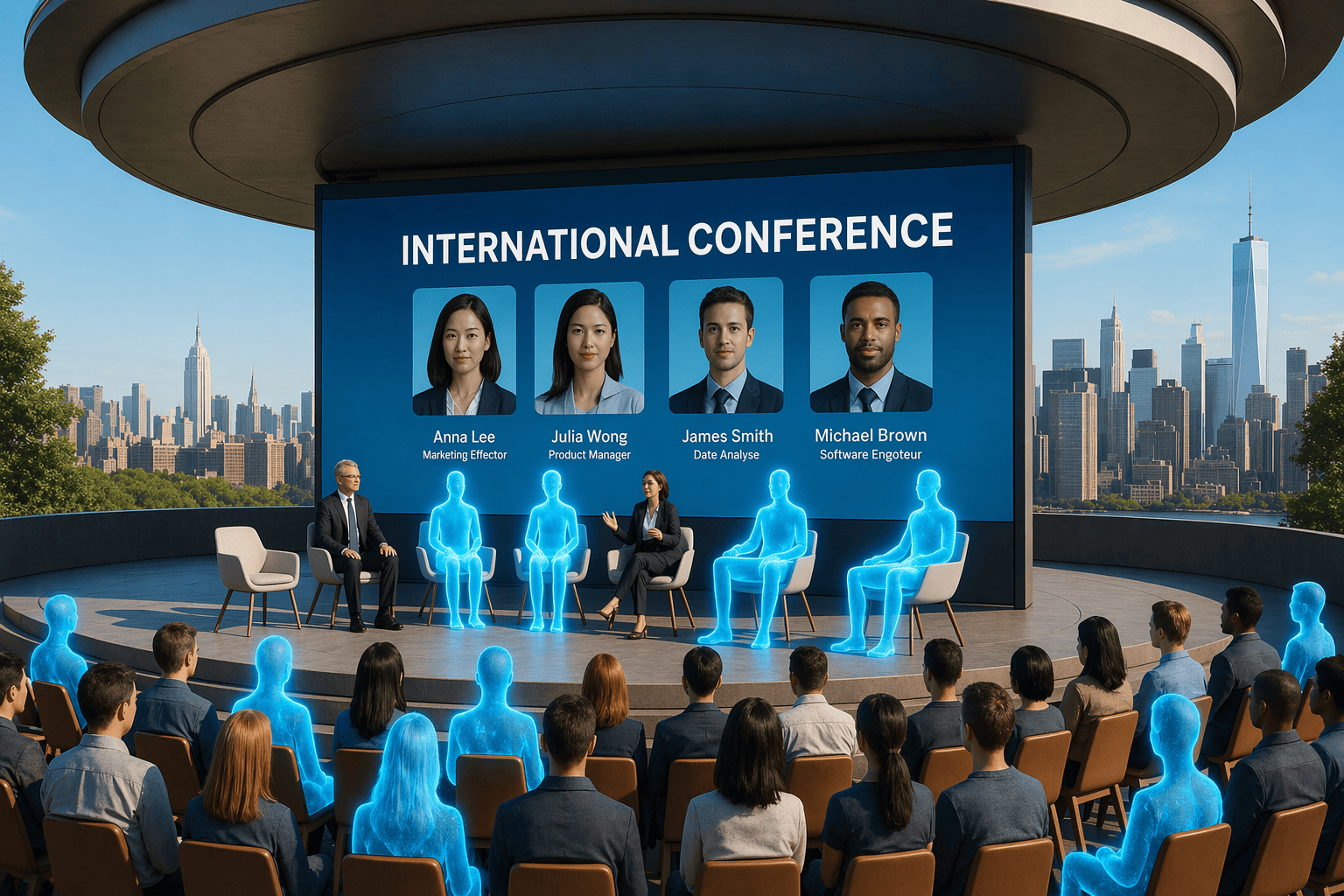
The Shift Toward Immersive Experiences
Today’s audiences expect more than passive participation. They want to experience events, not just attend them.
Virtual Reality (VR) and Augmented Reality (AR) enable:
- Fully immersive product launches
- Interactive brand storytelling
- Gamified event experiences
Instead of static booths or presentations, companies can create vr events where attendees explore environments, interact with products, and engage deeply, despite of locations.
Expanding Reach Without Limitations
One of the biggest advantages of VR event solutions is the ability to scale events globally.
- No dependency on physical venue capacity
- Easy access for international audiences
- Consistent experience for both remote and on-site participants
Event companies can now deliver large-scale events with greater flexibility and reach.
5 High-Impact Use Cases of VR/AR in Events
1. Virtual Product Launches
Create immersive launch environments where users can:
- Explore products in 3D
- Interact with features
- Experience real-time simulations
This delivers a stronger impact than traditional presentations.
2. Virtual Trade Shows & Exhibitions
Event companies can build complete virtual expo spaces with:
- Interactive booths
- Live product demonstrations
- Networking opportunities
These vr events allow exhibitors to engage with a wider audience.
3. Immersive Brand Experiences
Brands can move beyond static marketing by creating:
- Story-driven virtual journeys
- Gamified interactions
- Engaging digital environments
This increases audience retention and brand recall.
4. Hybrid Event Enhancement
VR/AR enhances both physical and virtual participation:
- On-site attendees access AR-based experiences
- Remote users join through VR platforms
- Unified engagement across formats
This makes hybrid events more seamless and impactful.
5. Training & Simulation Zones at Events
Event companies are integrating VR training demos into events, especially for industries like manufacturing and automotive:
- Safety simulations
- Equipment handling experiences
- Process walkthroughs
This adds practical value and increases engagement.
Competitive Edge for Event Companies
Investing in VR development enables event companies to:
- Offer differentiated, tech-driven experiences
- Attract innovation-focused clients
- Deliver measurable outcomes
Immersive capabilities are quickly becoming a key deciding factor in event selection.
Conclusion
Event companies are investing in VR event solutions to create scalable, engaging, and high-impact experiences. From immersive storytelling to data-driven insights, vr events are reshaping the future of the events industry.
At DevDen, we specialize in delivering advanced VR development for the events space, helping companies build interactive, scalable experiences that drive real engagement and results.

